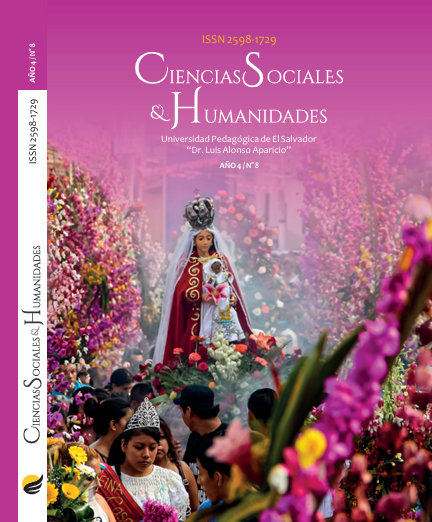
The IACHR and the ESCER of the indigenous peoples of El Salvador
DOI:
https://doi.org/10.5377/csh.v4i8.22245Keywords:
indigenous peoples and ESCER, structural discrimination, intercultural perspective, poverty and Indigenous peoples, indigenous peoples and historical memoryAbstract
El Salvador recognized the existence of its Indigenous peoples with a constitutional reform as recent as 2014. Despite several institutional efforts, historically structural ethnic-racial discrimination still affects Indigenous peoples. History of patrimonial violence, such as the extinction of communal property by presidential decree in 1881; the suppression of the Indigenous uprising of 1932 with the massacre of 30,000 Indigenous people; and “The Leaf Massacre” in 1983 with the murder of 74 members of the Salvadoran National Indigenous Association (ANIS), on which the IACHR published its report in 1992. This article focuses on the right of indigenous peoples to access their economic, social, cultural and environmental rights (ESCER) from an intercultural perspective based on the report: “Northern Central America and Nicaragua: Economic, social, cultural and environmental rights of indigenous peoples and tribal Afro-descendants”, prepared by the IACHR and its REDESCA, published on March 21, 2023. The report shows the direct relationship between structural racial discrimination, social exclusion, and poverty as obstacles to Indigenous peoples’ access to ESCR. It also offers its conclusions and recommendations to the Salvadoran State to overcome the challenges encountered, reaffirming the need to apply inter-American standards against all forms of discrimination.
64