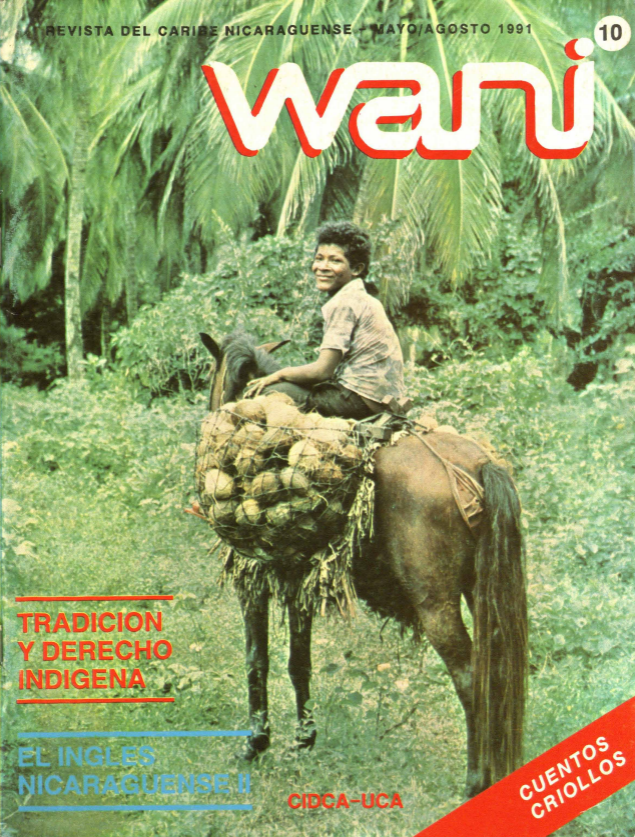
Tradición, derecho, autonomía
El ordenamiento consuetudinario en las comunidades indígenas de la RAAN
Palabras clave:
Costa Caribe de Nicaragua, Grupo étnico, Grupo minoritario, LegislaciónResumen
Desde que se dictó el Estatuto de Derechos y Garantías de los Nicaragüenses en 1979, basta la creación de las regiones autónomas como nuevas entidades político-administrativas del país (al amparo de la Constitución Política y del Estatuto de Autonomía) en 1989. El avance más notable y contundente de una nueva realidad jurídica y política sobre la multietnicidad y el reconocimiento de los "derechos históricos de los pueblos" ha sido, sin lugar a duda, la instalación oficial de los gobiernos autónomos regionales, celebrada el 4 de mayo de 1991. De ahí que los especialistas de mayor renombre en América Latina sobre la cuestión de los derechos de los pueblos indígenas (Stavenhagen 1988: 69) reconozcan el significativo grado de avance que al respecto representa la legislación de Nicaragua. Pero ello no basta para pensar que ya está resuelto el complejo problema de las relaciones culturales, económicas y políticas entre los elementos de la diversidad nacional. La autonomía, su organización y el ejercicio efectivo de sus principios no es un tema exclusivo ni de las regiones costeñas, ni del gobierno central o del estado en abstracto, sino que tiene diversas esferas de actuación que prácticamente involucran a todas las instancias e instituciones de la vida.
543
Descargas
Publicado
Cómo citar
Número
Sección
Licencia
Derechos de autor 2024 Bluefields Indian and Caribbean University

Esta obra está bajo una licencia internacional Creative Commons Atribución-NoComercial-CompartirIgual 4.0.


